 1 / 3
1 / 3Bonegilla Migrant Experience
📍 Bonegilla, VIC
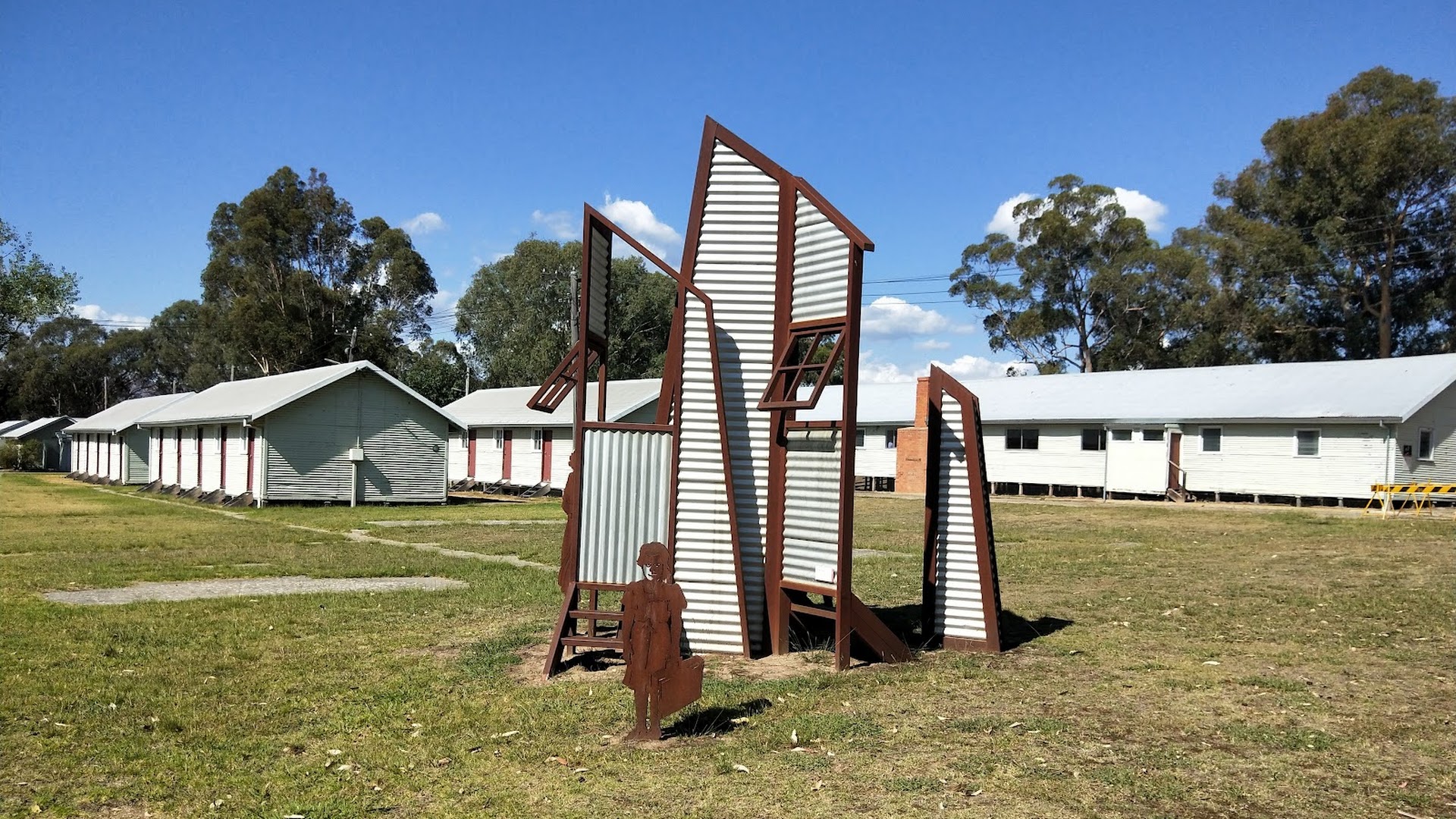
Preserved 1950s migrant reception camp in Bonegilla where over 300,000 post-war migrants were processed between 1947 and 1971.
🏆 Family Action Verdict
Best for families with school-age children interested in Australian history and the personal stories of migration. Many visitors discover direct family connections to Bonegilla, making it a personally meaningful as well as educational experience. The Discovery Challenge booklet keeps younger children engaged throughout.
ℹ️ What to Know Before You Go
💬 What Families Are Saying
View all reviews →330 Google reviews
G Reviews from Google
Graeme Forbes
4 months ago
“We visited the former migrant camp where a few friends had started life in Australia The remaining buildings were a stark reminder of how much things have changed since the 1950’s What was classed as acceptable accommodation in those times would be called a slum today There are many interesting information panels around the area telling the story of migration when over 300000 new arrivals passed through the camp It’s worth a look if you’re interested in history”
Juris G
a month ago
“What an absolute treat! A fascinating exploration of the migrant experience. Make sure to watch the videos and visit the historical museum at the back of the complex.”
Debra Mcrae
a month ago
“A very special place to visit my partners dad was here when came to Australia has been preserved well.”
📊 Commonly mentioned in Google reviews
Based on Google review tagsHelpful staff
21 reviews
Migrant history
10 reviews
Guided tour
9 reviews
Historical significance
7 reviews
Knowledgeable guide
7 reviews
Overview
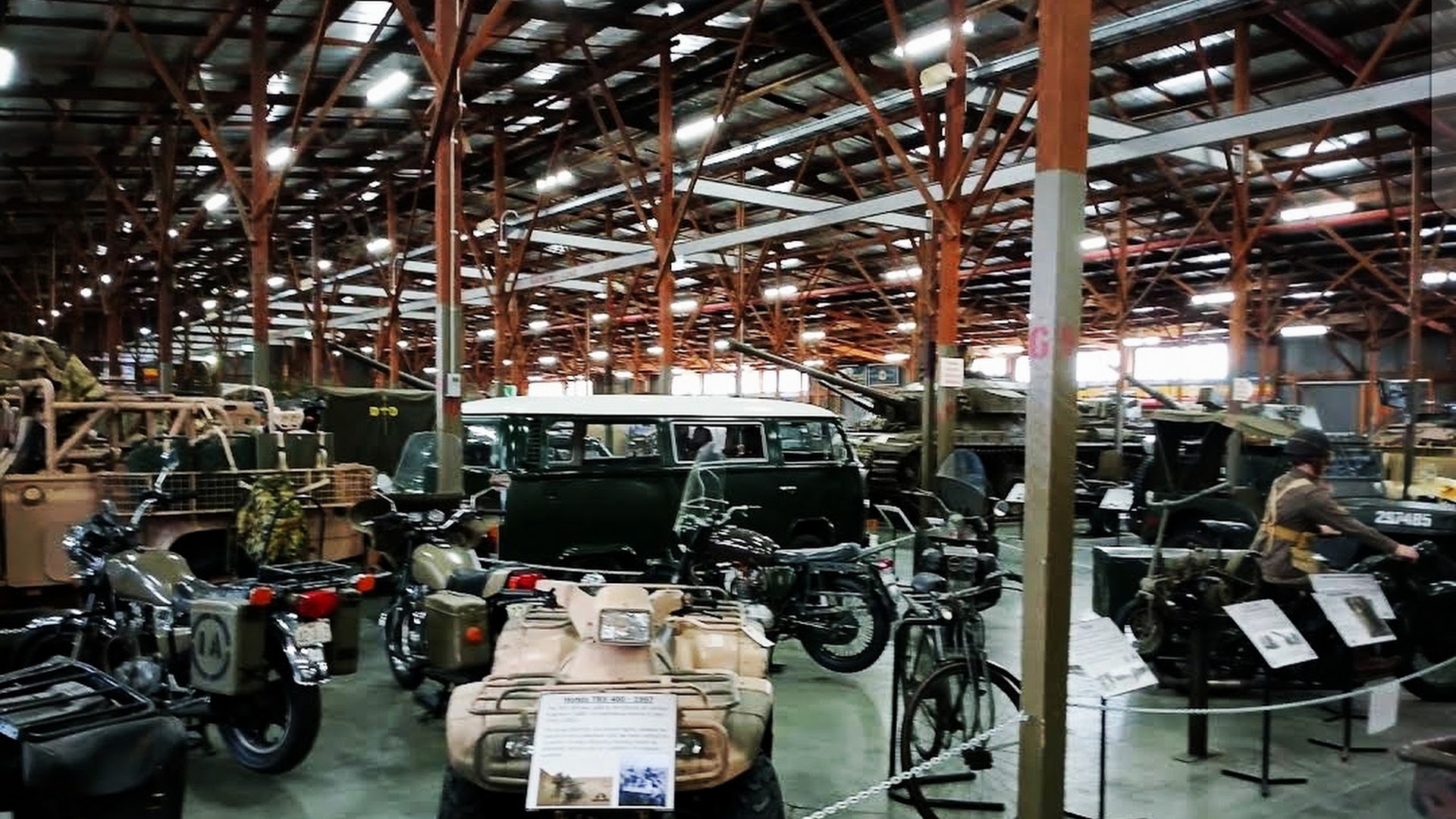
The Bonegilla Migrant Experience is a National Heritage-listed site preserving the original buildings of Australia's largest post-war migrant reception and training centre. Families can self-guide via the interactive Suitcase Trail with QR codes, complete the Discovery Challenge activity booklet designed for children, and explore authentic huts and communal spaces that housed over 300,000 people across 24 years.